August 22, 2026 – January 24, 2027
About
This engaging exhibit explores how artists and innovators have sought to capture, analyze, and ultimately reimagine movement through the medium of photography. Spanning the late nineteenth through the mid-twentieth centuries, the exhibition brings together three pioneering figures: Edweard Muybridge (1830 – 1904), Barbara Morgan (1900 – 1992), and Harold Eugene Edgerton (1903 – 1990); whose work collectively charts the evolution of motion from sequential study to expressive form, to scientific revelation.
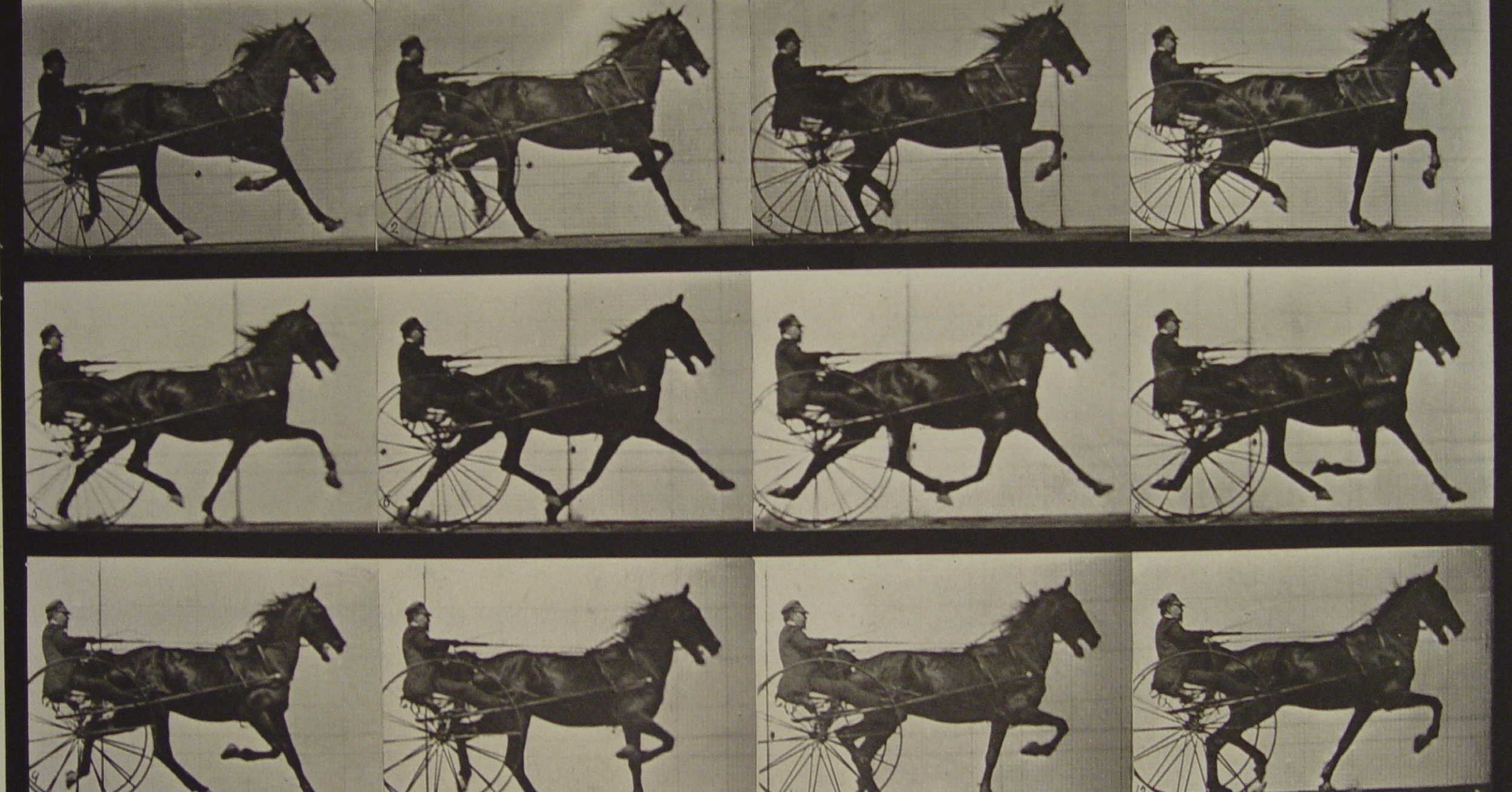
The exhibition begins with Muybridge’s groundbreaking Animal Locomotion studies (1887), represented by a wide range of photogravures depicting men, women, and animals in motion— from walking, running, and dancing figures to galloping horses, birds in flight, and athletic feats such as pole vaulting and fencing. By breaking movement into discrete, sequential images, Muybridge transformed photography into a tool of analysis, revealing patterns of motion invisible to the naked eye and laying the foundation for both cinema and biomechanics.
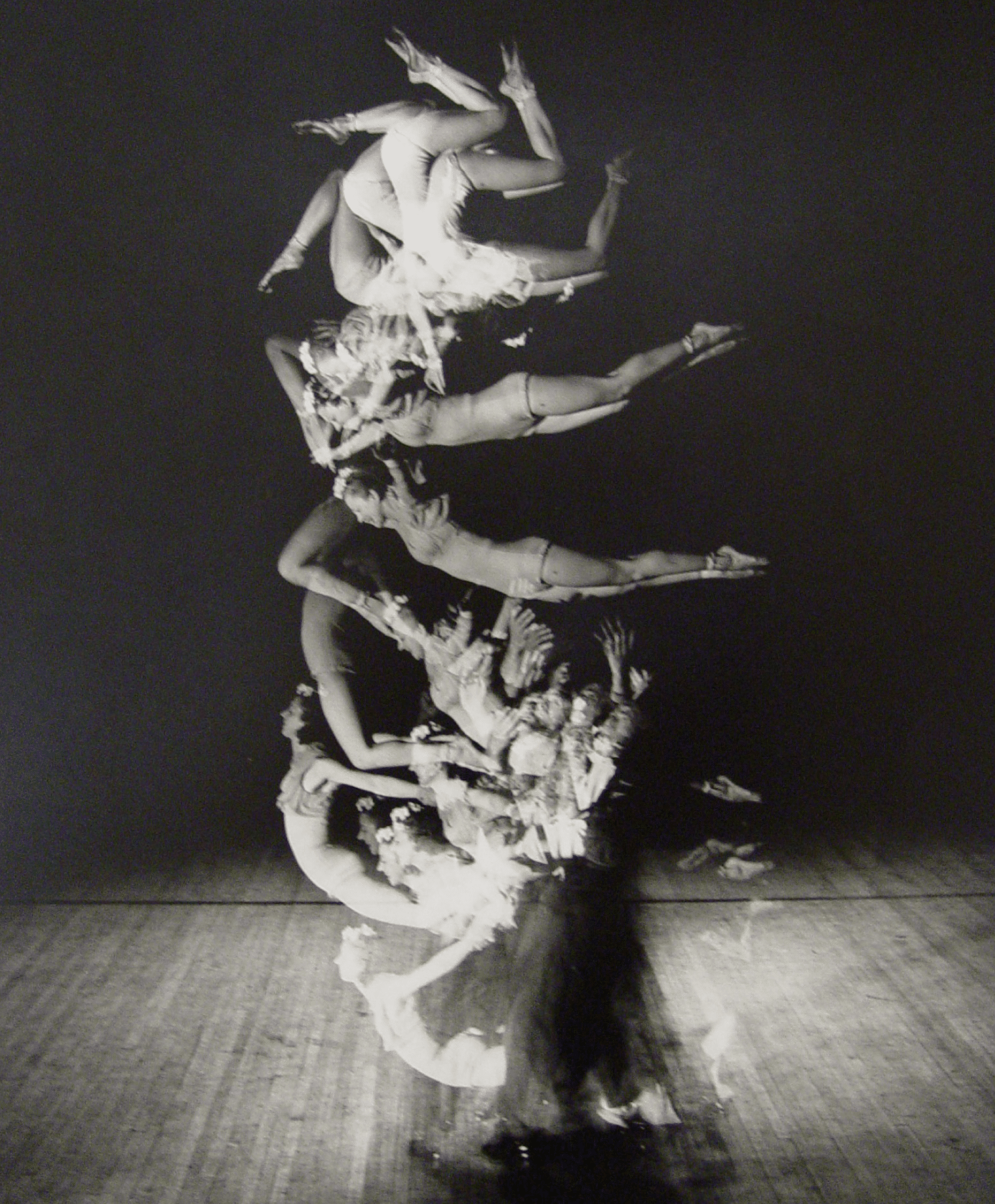
Moving into the twentieth century, Barbara Morgan’s photographs shift the focus from analysis to expression. Best known for her collaborations with modern dancers including Martha Graham, Doris Humphrey, and Merce Cunningham, Morgan’s images capture the emotional and psychological intensity of performance. Works such as Letter to the World, Frontier, and Passacaglia convey movement not as a sequence to be dissected, but as a powerful, unified gesture.
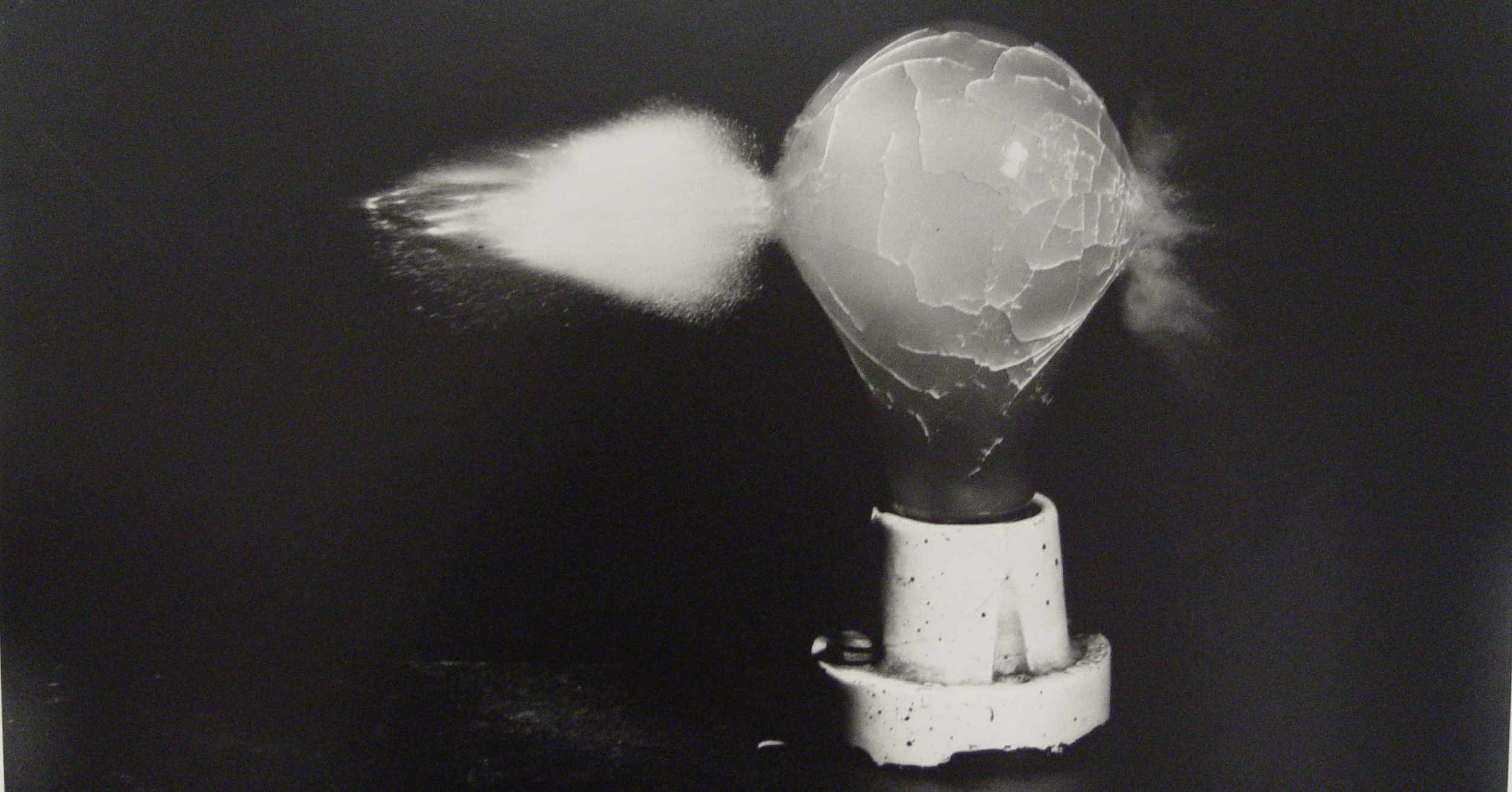
The exhibition also features Harold “Doc” Edgerton’s mid-twentieth-century experiments in stroboscopic and high-speed photography. Using precisely timed flashes of light, Edgerton froze fleeting instants with astonishing clarity: a bullet piercing a light bulb or piece of fruit, a jump rope traced through space, or a pigeon mid-flight. His images collapse time into a single frame—simultaneously scientific and poetic, revealing moments that occur too quickly for human perception.
Together, these artists demonstrate the transformative potential of photography to engage with motion across disciplines: art, science, and performance. Photography in Motion invites viewers to consider how the camera not only records movement, but reshapes our very understanding of time, space, and the human body in motion.